
Key takeaways
- Seven gas push mowers with mulching blades, chosen for older homeowners who want fine clippings, simple controls and a mower that starts easily every time.
As an Amazon Associate I earn from qualifying purchases. This post may contain affiliate links at no extra cost to you.
Our top picks at a glance
3 products from this guide, in the order reviewed below.


As an Amazon Associate we earn from qualifying purchases. Prices and availability can change.
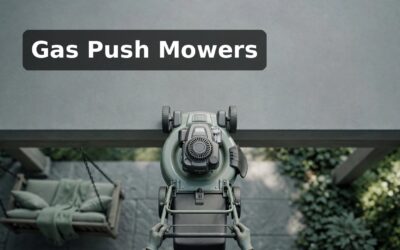
best gas push mowers with a mulching blade for older homeowners suit owners who want a mower that runs as long as the fuel lasts, with no battery to charge and no cord to manage. A mulching blade chops clippings fine and drops them back into the turf, which feeds the lawn and removes the need to bag every pass. For older homeowners, the key points are easy starting, simple controls, a light push feel and a deck that mulches cleanly. The seven mowers below all run on gasoline and all mulch.
Gas mowers differ from cordless ones in a few honest ways: they are heavier, they need fuel and oil, and they make more noise. In return they offer long run times and strong cutting power in thick grass, and the models here use simple starting systems such as auto-choke and prime-and-pull, with no choke lever to remember. Deck sizes run from 21 to 30 inches, and the wider decks finish large lawns faster.
This guide looks at each mower for engine size, deck, starting system, weight and mulching setup, using specs from pages that were actually opened. Where sources disagree, or where a listing is unclear, the article says so plainly. The aim is a gas mower that starts easily, mulches well and never fights its operator.
Quick verdict
The Toro Super Recycler 21565 leads this group with a cast aluminum deck, a 163 cc engine and Personal Pace drive that matches the operator's walking speed. The Toro TimeMaster 21199 is the pick for large lawns, cutting a 30 inch path. The Cub Cadet SC500Z adds caster front wheels for tight turns, the Toro 21311 includes a bagger in the box, and the Troy-Bilt TB105, TB115 and TB120 are simple push mowers with 3-in-1 or 2-in-1 decks and easy starting systems.
| Product | Key spec | Best for |
|---|---|---|
| Toro Super Recycler 21565 | 163 cc, cast aluminum deck, 21 in | A cast aluminum deck that resists rust |
| Toro 21311 | 140 cc, Recycler deck, 21 in | A light push mower with a bagger in the box |
| Troy-Bilt TB105 | 140 cc, high wheels, 21 in | High rear wheels for rough ground |
| Toro TimeMaster 21199 | 223 cc, 30 in deck | The widest cut here for large lawns |
| Troy-Bilt TB115 | 159 cc, 3-in-1, 21 in | A simple 3-in-1 push mower |
| Cub Cadet SC500Z | 159 cc, MySpeed, caster wheels | Caster wheels for tight turns |
| Troy-Bilt TB120 | 163 cc, 3-in-1, push | No-prime starting and a 3-in-1 deck |
How we chose
A gas engine and a mulching blade were the first filters: every mower here runs on gasoline and mulches, verified on a page that was actually opened. The second filter was starting and controls, because an older homeowner should not need a strong pull or a choke routine to start a mow. The third filter was weight and deck size, since a heavy mower with a wide deck is hard to turn in a small yard. Engine size and bag options shaped the final order.
Toro Super Recycler 21565
- 21 in cast aluminum deck
- Briggs & Stratton 163 cc engine
- Self-propelled Personal Pace Auto-Drive
- Bag, mulch and side discharge
- Height positions not stated on opened page
- Weight not stated on opened page
The Toro Super Recycler 21565 uses a 21 inch cast aluminum deck, which resists rust and stays rigid season after season, and a 163 cc Briggs and Stratton engine. Personal Pace Auto-Drive matches the drive speed to the operator's walking pace, so the mower never pulls ahead or lags behind. The deck bags, mulches or discharges to the side, and the Super Recycler design chops clippings fine for mulching. The dealer page we opened does not state the height positions or the weight, so those two figures are left as open questions rather than guessed. It is a mower built for owners who keep a machine for many years.
The cast aluminum deck and the Super Recycler cutting system are built for fine mulching, and Personal Pace keeps the drive in step with the operator.
Pros: 21 in cast aluminum deck; Briggs & Stratton 163 cc engine. (lead pick)
Cons: Height positions and weight are not stated on the dealer page opened.
Toro Recycler 21311
- 21 in steel Recycler deck
- 140 cc Briggs & Stratton engine, 5.5 ft-lb gross torque
- Push mower
- 3-in-1 mulch, bag and side discharge
- 2-point height, 1.25 to 3.75 in
- 10 in rear wheels, 8 in front
- 62 lb
- Bagger included
- Side-discharge chute supplied free on registration, not packed in box
The Toro Recycler 21311 is a push mower with a 21 inch steel Recycler deck and a 140 cc Briggs and Stratton engine, and the bagger comes in the box, which is not always the case at this size. The 3-in-1 deck mulches, bags or discharges to the side, and the two-point height adjustment runs from 1.25 to 3.75 inches. Ten inch rear wheels roll easily over rough ground, and at 62 lb the mower is light enough to push without strain. One detail to know before buying: the side-discharge chute is supplied free on registration rather than packed in the box, so it arrives separately.
The Recycler deck design chops clippings and drops them back into the turf, and the included bagger gives a clean finish when the lawn needs it.
Pros: 21 in steel Recycler deck; 140 cc Briggs & Stratton engine, 5.5 ft-lb gross torque.
Cons: The side-discharge chute is supplied free on registration, not packed in the box.
Troy-Bilt TB105
- 21 in steel deck
- 140 cc Briggs & Stratton with Prime 'N Pull
- Push mower
- 2-in-1 mulch and side discharge, mulch kit included
- 11 in rear wheels
- Model code 11A-B0SD766
- Retailer description text calls it TB100 in one line
The Troy-Bilt TB105 is a 21 inch push mower with a 140 cc Briggs and Stratton engine and 11 inch rear wheels, which roll over bumps and thick grass more easily than small wheels. The 2-in-1 deck mulches or discharges to the side, and the mulch kit is included, so there is nothing extra to buy for mulching. Prime 'N Pull starting means the engine starts with a prime and a pull, without a choke to set. One line of the retailer description calls this model TB100, which appears to be a listing error, since the model code is 11A-B0SD766 and the title and specs match the TB105.
The mulch kit comes in the box, and the high rear wheels keep the mower moving through thick grass where small wheels would drag.
Pros: 21 in steel deck; 140 cc Briggs & Stratton with Prime 'N Pull.
Cons: Push only, and one line of the retailer description calls it TB100.
Toro TimeMaster 21199
- 30 in steel deck with cast-aluminum frame
- Briggs & Stratton 223 cc OHV engine
- Self-propelled Personal Pace rear-wheel drive with Traction Assist, up to 4.5 mph
- 2-point height of cut, 1.25 to 4.25 in
- Mulch, bag and side discharge standard
- 145 lb
- Spec table lists recoil start although listing title says electric start
The Toro TimeMaster 21199 cuts a 30 inch path, which is half again as wide as a standard 21 inch mower, so it finishes a large lawn in far fewer passes. The 223 cc Briggs and Stratton engine drives a cast-aluminum frame and a steel deck, and Personal Pace rear-wheel drive with Traction Assist adjusts to the operator's walking speed up to 4.5 mph. Height runs from 1.25 to 4.25 inches on a two-point adjustment, and mulch, bag and side discharge are all standard. At 145 lb it is the heaviest mower in this group, so the self-propulsion is essential rather than a luxury. One conflict to note: the listing title mentions electric start, but the spec table lists recoil start.
The 30 inch deck and the mulching setup suit a large lawn, and the wide cut means fewer passes and less time on the feet.
Pros: 30 in steel deck with cast-aluminum frame; Briggs & Stratton 223 cc OHV engine.
Cons: Heavy at 145 lb, and the listing title mentions electric start while the spec table lists recoil start.
Troy-Bilt TB115
- 21 in steel deck
- Troy-Bilt 159 cc OHV Autochoke engine
- Push mower
- 6 cutting height positions, 1.25 to 3.75 in
- 3-in-1 bag, mulch and side discharge
- 1.9 bu bag
- Weight approx 68 lb
- Prior-year model
- No price on opened page
The Troy-Bilt TB115 is a simple 21 inch push mower with a 159 cc Troy-Bilt OHV engine and Autochoke, which removes the choke step from starting. Six height positions from 1.25 to 3.75 inches cover a normal lawn, and the 3-in-1 deck bags, mulches or discharges to the side, with a 1.9 bushel bag included. At about 68 lb it is light for a gas mower, and the push design keeps the controls simple: throttle, height and bag. This is a prior-year model, and the dealer page we opened lists no price, so availability and cost should be confirmed with the seller before planning around it.
The 3-in-1 deck handles mulching without extra parts, and the Autochoke engine starts without a choke lever to remember.
Pros: 21 in steel deck; Troy-Bilt 159 cc OHV Autochoke engine.
Cons: Prior-year model, and the dealer page lists no price.
Cub Cadet SC500Z
- 21 in steel deck
- Cub Cadet OHV 159 cc engine
- Self-propelled rear-wheel drive, MySpeed
- 6 cutting height positions, 1.25 to 3.75 in
- Side discharge, mulch and bag
- 2.3 bu bag
- Caster front wheels
- Weight approx 95 lb
The Cub Cadet SC500Z stands out for its caster front wheels, which swivel and let the mower turn in tight spaces around trees, beds and play equipment without lifting the front end. The 159 cc Cub Cadet OHV engine drives the rear wheels through the MySpeed system, which matches the drive to the operator's pace, and six heights from 1.25 to 3.75 inches cover most lawns. The 3-in-1 deck mulches, bags or discharges to the side, and the 2.3 bushel bag is one of the larger bags in this group. At about 95 lb it is a solid mower, and the self-propulsion carries that weight.
Caster front wheels make turning easy, and the mulching setup works with the 2.3 bushel bag for a clean finish on a tidy lawn.
Pros: 21 in steel deck; Cub Cadet OHV 159 cc engine.
Cons: Heavy at about 95 lb, and the dealer brochure is the main source for specs.
Troy-Bilt TB120
- 163 cc Troy-Bilt engine, no-prime auto-choke
- Push mower
- 3-in-1 mulch, bag and side discharge
- Dual-lever 6-position height, 1.25 to 3.75 in
- Deck width not stated on opened page
- Retailer description calls it TB120C in one line
The Troy-Bilt TB120 is a push mower with a 163 cc Troy-Bilt engine and a no-prime auto-choke, so starting takes a pull without priming or choking. The 3-in-1 deck mulches, bags or discharges to the side, and a dual-lever six-position height adjustment runs from 1.25 to 3.75 inches. The retailer page does not state the deck width, and one line of the description calls the model TB120C, which appears to be a listing variation rather than a separate model. As a push mower it keeps the controls simple, and the 163 cc engine gives more power than the 140 cc models in this group for thick grass.
The 163 cc engine handles thick grass better than smaller engines, and the 3-in-1 deck mulches without any extra kit to buy.
Pros: 163 cc Troy-Bilt engine, no-prime auto-choke; Push mower.
Cons: Deck width is not stated on the opened page, and one line calls it TB120C.
Buying guide
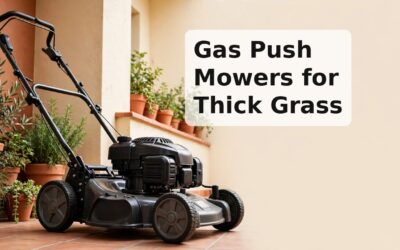
Engine size decides how the mower handles thick grass. A 140 cc engine suits a normal lawn, a 159 or 163 cc engine handles taller growth better, and the 223 cc engine on the TimeMaster powers a 30 inch deck. Bigger engines use more fuel and add weight, so the right size is the smallest one that cuts the lawn without bogging down. For a lawn mowed weekly, 140 to 163 cc is usually enough. For a lawn that grows fast or goes unmowed for weeks, the larger engines earn their keep.
Starting system matters more than engine size for older homeowners. Auto-choke engines start with a pull and no choke to set, prime-and-pull engines need a prime first, and recoil start is the standard pull cord. The Troy-Bilt TB120 uses a no-prime auto-choke, which is the simplest setup here, while the TB105 uses Prime 'N Pull. One listing for the TimeMaster mentions electric start in its title, but the spec table lists recoil start, so treat that model as a pull-start mower until confirmed otherwise.
Deck size shapes both the cut and the handling. A 21 inch deck is the standard size and fits through most gates, while the 30 inch TimeMaster finishes large lawns faster but needs wide gates and more room to turn. A cast aluminum deck, like the one on the Super Recycler, resists rust and stays rigid, while a steel deck is heavier but sturdy. For a small yard, a 21 inch deck is the right choice. For a large open lawn, the wider deck saves real time.
Mulching blades work best when the grass is dry and the cut takes a third of the blade height at most. A sharp blade cuts cleanly, while a dull blade tears the grass and leaves a ragged finish that turns brown at the tips. Sharpen or replace the blade at least once a season, and more often if the lawn has sticks or stones. The mulching decks here use different blade designs, and the Super Recycler and Recycler decks are built to chop clippings fine before they settle into the turf.
Weight and drive work together on gas mowers. The push models here range from about 62 to 68 lb, which most owners can push without strain, while the self-propelled models run from about 95 to 145 lb and rely on their drives. Personal Pace and MySpeed drives match the operator's walking speed, which helps on slopes. If the lawn is flat and small, a light push mower is the easier choice. If the lawn is large or sloped, a self-propelled mower is worth the extra weight.
Finally, plan for fuel and maintenance. Gas mowers need fresh fuel, an oil check and an air filter that stays clean, and the fuel should not sit in the tank over winter. Use fresh fuel each season and store the mower dry if it will sit for months. These small habits keep a gas mower starting easily year after year, and they matter more than any single feature on the spec sheet.
Check the oil before the season starts and again halfway through it, because a gas engine that runs low on oil wears fast. Most walk-behind mowers in this group use a simple dipstick, and the oil should sit between the marks. Change the oil at least once a season, or as the maker directs, and use the grade the manual lists. Fresh oil keeps the engine starting easily and running smoothly, while old oil makes starting harder and shortens engine life.
Keep the blade sharp, because a mulching blade does its best work with a clean edge. A sharp blade slices each blade of grass once, while a dull blade tears it and leaves brown tips that show for days. Sharpen the blade at least once a season, and check it after hitting a stone or a root. A blade that is nicked, bent or worn thin should be replaced rather than sharpened, since a damaged blade vibrates and can damage the engine shaft.
Clean the deck after mowing, because dried clippings hold moisture against the steel and invite rust. A plastic scraper or a stiff brush removes most of it, and a quick wash with a hose finishes the job. Let the deck dry before storing, and keep the mower in a dry place. A clean deck also mulches better, because clippings flow under a smooth deck instead of sticking to a rough layer of old grass.
Check the air filter and spark plug once a season, because both affect starting and power. A dirty air filter chokes the engine and makes it run rough, while a worn spark plug makes starting harder and the cut uneven. The filter usually lifts out with a clip or a screw, and a plug wrench removes the plug for a look. Replace either part when it looks worn, and keep spares on hand so a small part never cancels a mowing day.
Store fuel properly, because stale fuel is the most common cause of a hard start in spring. Use fresh fuel each season, and either run the tank dry before winter or add a fuel stabilizer as the maker directs. Never store fuel in the mower for months, and keep spare fuel in a sealed container away from heat. These small habits cost little and save a frustrating morning in spring.
FAQ
How do I start a gas mower easily?
Use fresh fuel, set the choke if the model has one, and pull the cord smoothly. Auto-choke models such as the Troy-Bilt TB120 need no choke setting, and prime-and-pull models such as the TB105 need a prime first. A mower that has sat all winter may need a few pulls.
How often should I sharpen a mulching blade?
At least once a season, and more often if the lawn has sticks or stones. A sharp blade cuts cleanly, while a dull blade tears the grass and leaves brown tips. A blade that is nicked or bent should be replaced.
Can a gas mower mulch wet grass?
It can, but the result is worse than on dry grass: wet clippings clump and stick to the deck. Mow when the grass is dry when possible, and take a third of the blade height at most for the cleanest mulch.
What fuel should I use?
Use fresh unleaded gasoline as the maker directs, and do not let fuel sit in the tank for months. Fuel left over winter can go stale and make starting hard, so run the tank dry or use a fuel stabilizer before storage.
Is a gas mower heavier than a cordless mower?
Yes, in most cases. The push models here weigh about 62 to 68 lb, and the self-propelled models run from about 95 to 145 lb. The drive carries the weight on self-propelled models, so the operator feels less of it.
How do I store a gas mower for winter?
Run the fuel out or add stabilizer, change the oil if the maker directs, clean the deck and store the mower in a dry place. A clean, dry mower starts more easily in spring.
Conclusion
A gas push mower with a mulching blade is a reliable choice for owners who want long run times and strong cutting power without charging a battery. The Toro Super Recycler 21565 leads with a cast aluminum deck and Personal Pace drive, the TimeMaster 21199 suits large lawns with its 30 inch cut, and the Cub Cadet SC500Z turns easily with caster wheels. The Troy-Bilt models are simple, light and easy to start. Keep the blade sharp, use fresh fuel, and the mower will serve for many seasons.
Related guides
More from Amazon
Programs that pair well with the guide above. Offers and eligibility are set by Amazon and may change.
Collect the home and kitchen items you want in one registry that guests can shop from.
Create a wedding registrySet up recurring deliveries of everyday items on eligible products. Terms and savings are set by Amazon.
Explore Subscribe & SaveFree shipping on eligible items, Prime Video and more. Eligible new members can start with a free trial.
Start a Prime free trialAudiobooks and podcasts to listen to on the go. Eligible new members can start with a free trial.
Try Audible freeAs an Amazon Associate we earn from qualifying purchases.
More ways to save on your garden
Programs that pair well with the guide above. Offers and eligibility are set by Amazon and may change.
Fast, free shipping on eligible items, plus Prime Video and more. Eligible new members can start with a free trial.
Start a Prime free trialSet up recurring deliveries of everyday items on eligible products. Terms and savings are set by Amazon.
Explore Subscribe & SaveRead from a huge library of eBooks, including how-to guides and cookbooks. Eligible new members can start with a free trial.
Try Kindle UnlimitedAudiobooks and podcasts for the commute, the garage or the kitchen. Eligible new members can start with a free trial.
Try Audible freeAs an Amazon Associate we earn from qualifying purchases. Using these links costs you nothing extra.





Write Your Review
No reviews yet. Be the first to share your experience!