
Key takeaways
- Ergonomic sets for clay soil, compared by forged heads, grip shape, handle length and leverage. Find tools that cut heavy ground with less strain on hands.
What's inside
As an Amazon Associate I earn from qualifying purchases. This post may contain affiliate links at no extra cost to you.
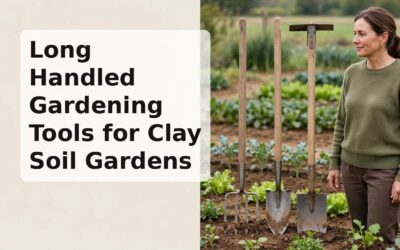
Clay soil is the hardest ground a hand gardener faces. When it is wet, it sticks to every blade and doubles the weight of the tool. When it is dry, it sets like brick and turns a trowel aside. Working clay with the wrong tools is slow, tiring work, and it punishes wrists, palms, and shoulders in a way that light soil never does. The best ergonomic garden tool sets for clay soil gardening are the ones that pair strong, forged heads with grips shaped to protect the hand, so the tool does the cutting and the gardener does the guiding.
Ergonomics matter more in clay than anywhere else in the garden. A grip that spreads pressure across the palm, a handle that lets the forearm do the work, and a head that holds its edge all add up to less strain over a long session. A tool that forces the wrist into a bent position will ache after ten minutes in clay, while a tool with a neutral wrist angle can work for an hour. The sets below were compared on head strength, grip shape, handle length, leverage, and weight, with a focus on tools that cut heavy ground without asking the hand to pay for it.
This guide looks at seven ergonomic sets for clay soil. One leads with forged steel heads and hardwood handles made for heavy ground. The others bring gel-cushioned grips, a patented round handle, a modular system with a long handle option, and a budget-friendly soft-touch set. Each one is a real set with a real list of pieces, and each one suits a different kind of clay garden, from a small bed that needs loosening to a full plot that needs turning.
Quick verdict
For most clay gardens, the AMES Forged 4-Piece Set is the strongest pick. Its forged steel heads and hardwood handles are made for heavy ground, and the four pieces cover shovel, rake, hoe, and cultivator work without extra weight. Gardeners who want the kindest grip for long sessions should look at the Corona ComfortGEL 4-Piece Garden Tool Set, which cushions the palm with gel while its forged edges cut clay cleanly. Those who want the best leverage should look at the Radius Garden 5-Piece Ergonomic Tool Set 30511/30502, whose patented round grip lets the forearm share the load.
| Product | Key spec | Best for |
|---|---|---|
| AMES Forged 4-Piece Set | Forged steel heads; hardwood handles | Heavy clay ground |
| Corona ComfortGEL 4-Piece Garden Tool Set | Gel-cushioned handles; forged edges | Kindest grip in clay |
| Fiskars 3-Piece Softouch Garden Tool Set | Lightweight stainless heads; soft grips | Light clay beds |
| Garant Botanica 4-Piece Ergonomic Set | Rugged rust-resistant parts | Damp clay beds |
| Lee Valley 5-Piece Garden Tool Set | Premium heat-treated steel | Serious clay work |
| Radius Garden 5-Piece Ergonomic Tool Set 30511/30502 | Natural Radius Grip; die-cast heads | Best leverage |
| Wolf-Garten Multi-Star System | Click-on heads; 14-in or 5-ft handle | Standing or kneeling |
How we chose
Clay soil tests a tool in three ways at once. It tests the head, which must cut and pry without bending or chipping. It tests the grip, which must stay comfortable while the hand pushes hard. And it tests the handle, which must give leverage without twisting in the palm. A set that passes all three tests is a good clay set, and a set that passes only one will show its weakness in the first bed.
Head strength came first. Forged steel heads are the strongest choice for clay, since the forging process lines up the metal and leaves no weak point at the neck. Heat-treated steel is close behind, with a hard edge that holds up to stony clay. Die-cast aluminum heads are lighter and resist rust, though they suit loosened clay better than ground that has set hard. The sets below include all three, so the choice is about how hard your clay runs.
Grip shape came next. A round or oval grip that fills the palm spreads the force of each push, while a thin grip concentrates it and tires the hand quickly. Gel cushioning adds a soft layer that absorbs shock when a head hits a stone or a hard clod. A wrist-neutral grip, where the hand stays in line with the forearm, is the kindest shape for long sessions. We noted the grip design of every set and favored shapes that protect the wrist.
Handle length and leverage closed the list. A short handle suits kneeling work in a bed, while a long handle lets a gardener stand and use body weight instead of wrist strength. A modular system that offers both is a real advantage in clay, where the same bed may need standing work to break the surface and kneeling work to plant. Weight was weighed last: a heavier tool cuts clay with less effort, but it also tires the arm sooner, so the best clay set balances heft with comfort.
AMES Forged 4-Piece Set
- 4 pieces: shovel, bow rake, hoe, cultivator
- Forged steel heads
- Hardwood handles
- Built for heavy ground
The AMES Forged 4-Piece Set leads this group because forged steel is the right metal for clay. Forging shapes the head under pressure, which lines up the grain of the steel and leaves the neck strong where a cast head might snap. The four pieces cover the full range of clay work: the shovel turns a bed, the bow rake levels it, the hoe cuts weeds at the surface, and the cultivator breaks the crust that forms after rain. The hardwood handles give a warm, solid grip that stays steady when the hand pushes hard, and they absorb some of the shock when a head hits a stone.
Four pieces is a lean set, and it leaves fine work like transplanting to other tools. For clay, though, lean is right: the shovel and hoe do the heavy jobs that light tools cannot, and the rake and cultivator finish the bed. The set is heavier than the aluminum kits here, which is the trade for its strength. Gardeners with clay that sets hard in summer will feel the difference on the first pass, when a lighter head would skid across the surface and this one bites in.
Pros: Forged heads cut hard clay; hardwood handles absorb shock; four core tools.
Cons: Heavier than aluminum sets; no transplanter or trowel.
Corona ComfortGEL 4-Piece Garden Tool Set
- 4-piece set
- Gel-cushioned handles
- Well-forged cutting edges
- Comfort-first design
The Corona ComfortGEL 4-Piece set is the kindest grip in this group, and that kindness matters most in clay. The gel-cushioned handles spread pressure across the palm and soften the shock when a head hits a hard clod or a stone, which is the moment that usually stings. The cutting edges are well forged, so they hold a sharp line through clay instead of folding or chipping, and the four pieces cover trowel, transplanter, cultivator, and fork work for beds that have already been turned.
This set suits the second pass in clay rather than the first. It is a hand-tool set, so it will not turn a whole bed the way a shovel will, but it is the set to reach for once the bed is open and the work turns to planting, loosening, and weeding. The gel grips are the main reason to choose it: after an hour of close work in heavy soil, the hands feel the difference between a cushioned grip and a hard one. Gardeners with sore hands or wrists should put this set at the top of their list.
Pros: Gel grips soften shock in hard soil; forged edges hold a sharp line; four core tools.
Cons: Hand tools only, no shovel; gel grips need drying after wet use.
Fiskars 3-Piece Softouch Garden Tool Set
- 3-piece set
- Lightweight stainless steel heads
- Soft comfortable grips
- Budget pick in this group
The Fiskars 3-Piece Softouch set is the lightest and friendliest kit here, and it suits clay beds that have been worked soft. The stainless steel heads are light in the hand and resist rust, which matters in clay that stays damp for days after rain. The soft grips are comfortable for long sessions, and the three pieces cover the core jobs of digging a hole, moving a seedling, and loosening the surface. As a budget pick, it gives a new clay gardener a solid start without a large outlay.
Three light pieces will not turn hard clay, and the heads are best used on soil that has already been loosened with a fork or a shovel. For a small clay bed that gets regular compost and stays workable, though, this set is often enough on its own, and its low weight makes it a kind choice for hands that tire quickly. It also pairs well with a forged shovel for the heavy first pass, since the Softouch tools then handle the planting and weeding that follow.
Pros: Very light; stainless heads resist rust; soft grips; friendly price.
Cons: Light heads suit loosened clay best; only three pieces.
Garant Botanica 4-Piece Ergonomic Set
- 4-piece set
- Rugged rust-resistant components
- European-style construction
- Ergonomic handle shapes
The Garant Botanica 4-Piece set is built for damp clay, where rust is the enemy of every tool left in the soil. Its components are rugged and rust-resistant, so the set survives wet seasons without pitting or seizing, and the European-style construction favors slim, well-balanced tools that work precisely in a bed. The ergonomic handle shapes spread pressure across the palm, which helps during the steady pushing that clay demands.
Four pieces cover the core hand-tool jobs, and the set is at its best in beds that are worked regularly and stay damp. It will not replace a shovel for turning a new bed, and its heads are lighter than the forged sets here, so very hard clay still needs a heavier tool for the first pass. For a gardener with a small clay plot that gets compost every year and stays workable, this set is a durable, comfortable choice that holds up to wet weather.
Pros: Rust-resistant parts suit damp clay; ergonomic handles; slim, balanced tools.
Cons: Lighter heads for hard clay; no shovel.
Lee Valley 5-Piece Garden Tool Set
- 5-piece set
- Premium heat-treated steel
- Complete selection for serious gardeners
- Strong, hard edges
The Lee Valley 5-Piece set is the serious gardener's kit in this group, with premium heat-treated steel heads that hold a hard, sharp edge through clay and small stones. Heat treating hardens the steel without making it brittle, so the edge stays keen through a season of hard use and resharpens cleanly with a file. The five pieces form a complete selection for bed work, covering digging, transplanting, cultivating, forking, and weeding in one set.
This is a set for gardeners who work clay every week and want tools that keep up. It is heavier than the aluminum kits, and the price reflects the quality of the steel, but the edge retention is real: where a soft head dulls in a month of clay work, these heads stay sharp for a season. The handles are shaped for a firm grip, and the set rewards gardeners who wipe and dry their tools after use. For a clay garden that gets serious attention, this is the set to buy once and keep.
Pros: Heat-treated steel holds a hard edge; five pieces cover bed work; durable build.
Cons: Heavier than aluminum sets; premium build at a higher outlay.
Radius Garden 5-Piece Ergonomic Tool Set 30511/30502
- 5 pieces: trowel, transplanter, weeder, scooper, cultivator
- Die-cast aluminum heads
- Patented Natural Radius Grip
- Lifetime warranty from the maker
The Radius Garden 5-Piece set brings the best leverage in this group, and leverage is what clay work is missing when the wrist does all the pushing. The patented Natural Radius Grip is a round, oversized handle that lets the forearm share the load, keeping the wrist in a neutral line while the hand pushes. The die-cast aluminum heads are light and resist rust, and the five pieces cover trowel, transplanter, weeder, scooper, and cultivator work, so the set handles a full bed session on its own.
The round grip feels unusual at first, and gardeners used to a straight handle should give it a full session before judging it. Once the hand learns the shape, though, the difference in clay is clear: the forearm does more of the work, and the wrist stays straighter through each push. The aluminum heads suit loosened clay best, so a forged shovel still helps for the first pass on hard ground. For planting, weeding, and loosening in clay that has been opened up, this set is the kindest to the hands here.
Pros: Round grip shares load with the forearm; wrist-neutral position; light rust-resistant heads.
Cons: Grip feels unusual at first; aluminum heads suit loosened clay best.
Wolf-Garten Multi-Star System

- Interchangeable Multi-Star heads click onto handles
- Short 14-in handle for kneeling or 5-ft handle for standing
- German-engineered click mechanism
- Modular system, not a fixed set
The Wolf-Garten Multi-Star System is the most flexible tool in this group, and flexibility is a real advantage in clay. The heads click onto handles, so the same head can work from a short 14-inch handle while kneeling or a 5-foot handle while standing, and the standing position lets body weight do the pushing instead of the wrist. The click mechanism is German-engineered and locks firmly, so a head does not twist or slip when it meets hard ground. A gardener can start with one head and one handle, then add heads as the garden grows.
A modular system asks for a little more thought than a fixed set: the heads and handles are bought to fit the garden, and the first purchase needs a clear plan. The payoff is a system that covers kneeling and standing work with the same heads, which no fixed set here can match. For clay, the standing handle is the key feature, since it turns a wrist job into a body-weight job, and that is the kindest way to work heavy ground.
Pros: Standing handle uses body weight; heads swap between handles; firm click lock.
Cons: Modular buying needs a plan; not a fixed set in one box.
Buying guide
Start with your clay. Dig a spadeful and squeeze it: if it holds together in a slick ball, it is heavy clay that needs forged or heat-treated steel for the first pass. If it crumbles with some effort, it is workable clay that lighter heads can handle once the bed is open. The soil sets the metal, and buying a light set for heavy clay is the most common mistake in this corner of the garden.
Think about your hands next. Clay work asks more of the wrist than any other garden job, so grip shape matters as much as head strength. A round grip that fills the palm, a gel cushion that absorbs shock, or a handle long enough to let body weight do the pushing will all help. If your hands or wrists ache after gardening, put grip shape at the top of your list and head material second. A tool that hurts will not get used, no matter how strong its head is.
Handle length decides whether you kneel or stand, and in clay that choice is about leverage. A short handle suits close work in a bed that is already open. A long handle suits breaking new ground, since it lets you lean into the tool with your weight. A modular system that offers both is worth a look if your clay garden needs both kinds of work in the same season.
Weight is a trade in clay, not a simple good or bad. A heavier tool cuts hard ground with less effort, since its own weight helps the head bite in. A lighter tool is easier on the arm over a long session, but it needs more push from the gardener. Forged steel sets sit on the heavy side, aluminum sets on the light side, and the right balance depends on how long your sessions run and how hard your clay sets.
Look at the piece list with clay jobs in mind. A shovel matters if you turn new beds. A hoe matters if you cut weeds at the surface of heavy soil. A cultivator matters for breaking the crust that forms after rain. A transplanter matters once the bed is open and the planting starts. A set that covers the jobs you actually do in clay will see every piece used, while a set chosen for piece count alone will leave half its tools in their loops.
Compost is the quiet partner of every clay tool set. A bed that gets compost every year grows softer and easier to work, and the tools last longer because the soil stops fighting them. No set will fix clay on its own, but a good set plus regular compost will turn a hard bed into a workable one over a few seasons. Buy the tools for the clay you have now, and let the compost change the clay over time.
Finally, care for the tools after clay work. Clay sticks to heads and dries hard, so wipe the heads clean before it sets, and dry the handles before storage. Oil wooden handles lightly once a season, and sharpen a hoe edge with a file when it starts to slide instead of cut. A few minutes of care after each session keeps the set sharp and ready for the next bed, and it is the difference between tools that last a season and tools that last a decade.
FAQ
When is the best time to work clay soil?
Clay is easiest to work when it is damp but not wet: it should crumble when squeezed, not smear or stick to the tool. After rain, wait until the surface has drained a little. In dry spells, water the bed the evening before, then work it in the morning while it is still soft. Working clay when it is soaking wet compacts it, and working it when it is bone dry turns it to brick.
Do I need forged steel heads for clay?
Forged steel is the strongest choice for hard clay, since it holds an edge and resists bending at the neck. Heat-treated steel is close behind. Lighter aluminum heads work well on clay that has been loosened or improved with compost, but they can flex on ground that has set hard. If your clay is heavy, start with forged or heat-treated steel for the first pass.
How does an ergonomic grip help in clay?
An ergonomic grip spreads the force of each push across the palm and keeps the wrist in a neutral line, so the forearm shares the load instead of the wrist taking it all. A round grip, a gel cushion, or a long handle all help in different ways. The result is less ache after a long session and a hand that can work the next day without stiffness.
Should I stand or kneel when working clay beds?
Standing work suits breaking new ground, since body weight drives the tool and saves the wrist. Kneeling work suits planting, weeding, and loosening in a bed that is already open, since it gives control over small tools. A modular system with both handle lengths covers both, and many clay gardeners use a long-handled tool for the first pass and hand tools for the rest.
Will compost really change clay soil?
Compost changes clay slowly but surely. It opens up the structure, helps water drain, and feeds the soil life that breaks clay into crumbs. A bed that gets compost every year grows softer and easier to work, and the tools last longer because the soil stops fighting them. It takes seasons, not weeks, but it is the most reliable way to improve clay.
How do I clean clay off my tools?
Wipe the heads clean before the clay dries hard, using a stiff brush or a rag, and rinse with water if needed. Dry the tools before storage so rust does not start, and oil wooden handles lightly once a season. A hoe edge that has dulled can be sharpened with a file in a few minutes, which restores its bite in heavy soil.
Conclusion
Clay soil asks more of a tool set than any other ground in the garden, and it asks more of the hands that hold it. The AMES Forged 4-Piece Set leads this group because its forged steel heads and hardwood handles are made for heavy ground, and its four pieces cover the core jobs without extra weight. The Corona ComfortGEL set suits hands that need cushioning, the Radius set suits wrists that need leverage, and the Wolf-Garten system suits gardeners who want to stand for the heavy work and kneel for the fine work.
Pick by your clay first, then by your hands, then by handle length. Heavy clay needs forged steel. Sore hands need a cushioned or round grip. Long sessions need a handle that lets body weight help. Get those three choices right, and add compost every year, and the hard bed will grow easier to work with every season.
Related guides
More from Amazon
Programs that pair well with the guide above. Offers and eligibility are set by Amazon and may change.
Collect the home and kitchen items you want in one registry that guests can shop from.
Create a wedding registrySet up recurring deliveries of everyday items on eligible products. Terms and savings are set by Amazon.
Explore Subscribe & SaveFree shipping on eligible items, Prime Video and more. Eligible new members can start with a free trial.
Start a Prime free trialAudiobooks and podcasts to listen to on the go. Eligible new members can start with a free trial.
Try Audible freeAs an Amazon Associate we earn from qualifying purchases.
More ways to save on your garden
Programs that pair well with the guide above. Offers and eligibility are set by Amazon and may change.
Fast, free shipping on eligible items, plus Prime Video and more. Eligible new members can start with a free trial.
Start a Prime free trialSet up recurring deliveries of everyday items on eligible products. Terms and savings are set by Amazon.
Explore Subscribe & SaveRead from a huge library of eBooks, including how-to guides and cookbooks. Eligible new members can start with a free trial.
Try Kindle UnlimitedAudiobooks and podcasts for the commute, the garage or the kitchen. Eligible new members can start with a free trial.
Try Audible freeAs an Amazon Associate we earn from qualifying purchases. Using these links costs you nothing extra.
Write Your Review
No reviews yet. Be the first to share your experience!