
Key takeaways
- Seven lightweight garden loppers compared for hand pruning jobs, with weights, lengths and blade types, plus a guide to choosing a light lopper that cuts well.
What's inside
As an Amazon Associate I earn from qualifying purchases. This post may contain affiliate links at no extra cost to you.
Small pruning jobs call for a different kind of lopper. The branches are thin, the work is close in, and the tool spends more time in your hands than it spends cutting. A heavy lopper tires your arms, slows you down, and makes a simple tidy-up feel like hard labour. A light lopper, by contrast, stays nimble through dozens of small cuts, reaches into tight spots between stems, and leaves you with enough energy to finish the whole border. The best lightweight garden loppers for small hand pruning jobs are the ones that keep the weight down without giving up a clean cut, a comfortable grip, or a blade that holds its edge.
This guide compares seven lightweight loppers suited to small pruning work, from compact fifteen inch models to telescoping designs that extend when you need extra reach. Every specification comes from a page that was actually opened, and the comparison table below gives a fast overview before the detailed sections. The focus throughout is on weight, balance, and ease of use, because for small jobs the tool you reach for most often is the one that feels lightest in the hand.
Small jobs also add up faster than most gardeners expect. A border that needs only a dozen snips in spring can need fifty by midsummer, as shrubs put on new growth and stray branches reach across paths and beds. A heavy lopper turns that steady trickle of small cuts into tiring work, while a light one lets you deal with each stem as you pass it, keeping the garden tidy with little effort. The models in this guide are built for exactly that rhythm: light enough to carry on a walk around the garden, strong enough for the stems you meet, and comfortable enough to use every day.
Quick verdict
For most small pruning jobs, the Corona Clipper FL 3420 Anvil Lopper is the best light pick. It weighs only two point seven pounds, its fiberglass handles stay light in the hand, and its compound lever mechanism adds force without adding weight. If you want the lightest feel of all, the Fiskars PowerGear Anvil Lopper at fifteen inches is the most compact model here, while the Fiskars Extendable Bypass Lopper gives you telescoping reach at two point eight four pounds for jobs that need a little extra length.
| Product | Key spec | Best for |
|---|---|---|
| Corona Clipper FL 3420 Anvil Lopper | Anvil; max cut 1.5 in; 32 in; 2.7 lb | Lightest full-length pick |
| Fiskars Garden Bypass Lopper 28 in | Bypass; max cut 1.5 in; 28 in; 2.9 lb | Everyday light pruning |
| Fiskars Power-Lever Bypass Lopper 28 in | Bypass; max cut 1.75 in; 28 in; 3.2 lb | Compound lever power |
| Fiskars PowerGear Anvil Lopper 15 in | Anvil; max cut 1.25 in; 15 in | Most compact light lopper |
| FELCO F211-60 Lopper | Bypass; 24 in; I-beam handles | Lightweight orchard feel |
| Fiskars Extendable Bypass Lopper | Bypass; max cut 1.5 in; 24.5-37 in; 2.84 lb | Telescoping light reach |
| Corona AL 8482 MAXFORGED Orchard Lopper 36 in | Bypass; max cut 2.25 in; 36 in; 2.8 lb | Light long-reach option |
How we chose
The seven models below were drawn from a verified pool of lightweight loppers, with every specification taken from a page that was actually opened. Weight was the first filter, since a lopper for small jobs must stay light through many repeated cuts, and every model here weighs three point six pounds or less where the maker states a figure. Length was the second filter, because small pruning jobs often happen in tight spaces, so the set includes compact fifteen inch and twenty four inch models alongside full-length thirty two inch designs. Blade type, handle material, and mechanism were weighed next, because a light lopper still needs to cut cleanly, and a compound lever or gear mechanism can add cutting force without adding weight. The result is a set that covers small stems, light shrubs, and the occasional thicker branch, all without tiring your arms.
Corona Clipper FL 3420 Anvil Lopper
- Blade type: Anvil
- Maximum cut: 1.5 in
- Length: 32 in
- Weight: 2.7 lb
- Handles: Fiberglass
- Mechanism: Compound lever
- Blade: High-carbon steel
- Telescoping: No
The Corona Clipper FL 3420 leads this set as the lightest full-length lopper here at two point seven pounds. Its fiberglass handles are the reason: fiberglass is strong for its weight, so the tool stays light without feeling flimsy. The compound lever mechanism adds force through the cut, which matters on the small woody stems that make up most hand pruning jobs, and the high-carbon steel blade holds its edge through repeated use. The anvil design suits dry, dead stems best, so this is the model to reach for when you are clearing dead growth from shrubs and small branches. At thirty two inches it still gives good reach and leverage, yet the low weight means you can carry it through a long tidy-up without your arms tiring.
Pros: Lightest full-length model here at two point seven pounds; fiberglass handles; compound lever adds force; high-carbon steel blade.
Cons: Anvil blade suits dead wood better than living stems; no telescoping reach.
Fiskars Garden Bypass Lopper 28 in (391461-1003)
- Blade type: Bypass
- Maximum cut: 1.5 in
- Length: 28 in
- Weight: 2.9 lb
- Blade: Steel with low-friction coating
- Shock-absorbing bumpers: Yes
- Telescoping: No
- Handle material: –
The Fiskars Garden Bypass Lopper is a straightforward light tool for everyday small pruning jobs. At twenty eight inches and two point nine pounds it is easy to carry and easy to manoeuvre between stems, and the bypass blade cuts living growth cleanly, like scissors, so small branches heal well after pruning. The steel blade carries a low-friction coating that helps it slide through sap and green wood, and the shock-absorbing bumpers soften the jolt when the blades close. The one and a half inch cut capacity covers the thin stems and small branches that make up most hand pruning work. This is the lopper to keep by the back door for quick jobs: a few snips on a shrub, a stray branch over a path, a rose stem that needs shortening.
Pros: Light at two point nine pounds; bypass blade for clean cuts on living growth; low-friction coated blade; shock-absorbing bumpers.
Cons: One and a half inch capacity limits it to small work; handle material not stated on the opened page.
Fiskars Power-Lever Bypass Lopper 28 in (391381-1014)

- Blade type: Bypass
- Maximum cut: 1.75 in
- Length: 28 in
- Weight: 3.2 lb
- Handles: Steel
- Mechanism: Compound lever
- Blade: Steel with low-friction coating
- Telescoping: No
The Fiskars Power-Lever Bypass Lopper adds a compound lever mechanism to the same twenty eight inch frame, and that mechanism is the reason to choose it over a plain lopper. The lever multiplies hand force as the blades close, so stems near the top of its one and three quarter inch capacity cut more easily, and the work feels smoother through a long session. The steel handles are sturdy, the steel blade carries a low-friction coating, and the bypass geometry leaves clean cuts on living growth. At three point two pounds it is a little heavier than the lightest models here, but the extra force is worth the small weight gain when you meet a stem that a plain lopper would struggle with. This is a good middle-ground pick for gardeners who want light weight plus a little extra power.
Pros: Compound lever adds cutting force; one and three quarter inch capacity; low-friction coated blade; clean bypass cuts.
Cons: Three point two pounds is heavier than the lightest picks here; steel handles add weight.
Fiskars PowerGear Anvil Lopper 15 in
- Blade type: Anvil
- Maximum cut: 1.25 in
- Length: 15 in
- Weight: –
- Mechanism: PowerGear
- Design: Lightweight
- Telescoping: No
- Handle material: –
The Fiskars PowerGear Anvil Lopper is the shortest model in this guide at fifteen inches, and that short length is its main advantage. It works like a large pair of hand pruners with extra leverage, fitting into tight spaces between stems where a full-length lopper cannot open its handles. The PowerGear mechanism adds force to the cut, so the one and a quarter inch capacity is enough for the small dead stems and thin branches that fill most hand pruning jobs. The maker describes the design as lightweight, though no weight figure is published on the opened page, so no weight is given here. This is the model for close work: thinning a shrub from the inside, cutting back small stems at arm's length, and working in beds where long handles would catch on neighbouring plants.
Pros: Most compact model here at fifteen inches; PowerGear mechanism adds force; fits tight spaces; lightweight design.
Cons: One and a quarter inch capacity is the smallest here; weight not published by the maker.
FELCO F211-60 Lopper
- Blade type: Bypass
- Maximum cut: –
- Length: 24 in
- Weight: –
- Blade: Curved bypass blade
- Handles: I-beam
- Design: Lightweight
- Telescoping: No
The FELCO F211-60 brings an orchard toolmaker's approach to light pruning work. Its curved bypass blade slices living growth cleanly, and its I-beam handles are shaped to stay strong while keeping weight down, which is why the maker describes the design as lightweight. At twenty four inches it sits between the compact fifteen inch models and the full-length thirty two inch loppers, giving a useful balance of reach and control for small jobs. The maker listing does not state a maximum cut capacity or a weight for this model, so neither figure is given here. That missing detail is the trade-off against the tool's refined build and balance. For a gardener who values a well-made, well-balanced lopper for regular light pruning, the F211-60 is a pleasing tool to use, and the curved blade shape helps it draw smoothly through living stems without tearing the bark. The I-beam handle shape also gives a firm grip even when the handles are wet, which matters on damp mornings when the garden is at its busiest.
Pros: Curved bypass blade for clean cuts; I-beam handles keep weight down; balanced twenty four inch length; lightweight design.
Cons: Maximum cut and weight not stated by the maker.
Fiskars Extendable Bypass Lopper
- Blade type: Bypass
- Maximum cut: 1.5 in
- Length: 24.5-37 in telescopic
- Weight: 2.84 lb
- Handles: Steel
- Blade: Hardened steel with non-stick coating
- Grips: SoftGrip handles
- Telescoping: Yes
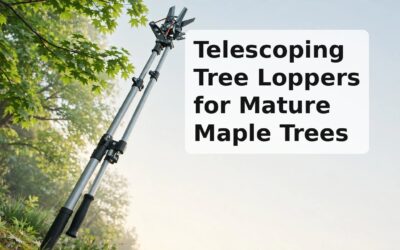
The Fiskars Extendable Bypass Lopper is the most flexible model in this guide. Its handles telescope from twenty four point five inches to thirty seven inches, so it works as a compact tool for close pruning and extends when you need to reach a higher branch or the centre of a shrub. At two point eight four pounds it stays light even at full extension, and the hardened steel blade carries a non-stick coating that resists sap build-up. The SoftGrip handles are comfortable through a long session, and the bypass blade cuts living growth cleanly. The one and a half inch capacity keeps it firmly in small-job territory, which is the point: this is a light lopper that adapts its length to the job instead of forcing you to adapt to it.
Pros: Telescoping handles from twenty four point five to thirty seven inches; light at two point eight four pounds; non-stick coated blade; comfortable SoftGrip handles.
Cons: One and a half inch capacity suits small work only; steel handles are heavier than fiberglass at the same length.
Corona AL 8482 MAXFORGED Orchard Lopper 36 in
- Blade type: Bypass, Dual Arc
- Maximum cut: 2.25 in
- Length: 36 in
- Weight: 2.8 lb
- Handles: Elliptical aluminum
- Blade: Forged, fully heat-treated steel, resharpenable and replaceable
- Telescoping: No
The Corona AL 8482 MAXFORGED Orchard Lopper earns its place in a lightweight guide because it weighs only two point eight pounds despite its thirty six inch length. The elliptical aluminum handles are the reason: aluminum is light for its strength, and the long handles give excellent leverage without the weight penalty that steel handles would bring. The forged, fully heat-treated steel blade is resharpenable and replaceable, so the tool stays useful for years, and the two and a quarter inch capacity means it can handle a thicker branch when a small job turns out to be bigger than expected. One specification note: another roundup lists the weight as three point five pounds, while the main listing gives two point eight pounds, and this guide uses the two point eight pound figure. For gardeners who want long reach at a light weight, this is the model to choose.
Pros: Light at two point eight pounds for a thirty six inch lopper; aluminum handles; replaceable and resharpenable blade; two and a quarter inch capacity.
Cons: Weight figure conflicts between sources; long handles need storage space.
Buying guide
Weight is the first thing to check when buying a lopper for small pruning jobs, because the tool spends most of its time in your hands rather than cutting. Models under three pounds feel light through a long session, while models over three and a half pounds start to tire your arms when the work involves dozens of small cuts. Handle material decides much of the weight: fiberglass and aluminum handles are lighter than steel at the same length, and they are worth seeking out if you prune often.
Length should match the space you work in. Fifteen to twenty four inch models suit tight beds and close work between stems, where long handles cannot open fully. Twenty eight to thirty two inches suits general garden pruning, giving good leverage and reach without feeling unwieldy. Telescoping handles give you both, collapsing for close work and extending for higher branches, and the Fiskars Extendable model in this guide shows how useful that flexibility can be.
Blade type decides which stems each lopper cuts best. Bypass blades pass each other like scissors and leave clean cuts on living growth, which is what most small pruning jobs involve. Anvil blades press the stem against a flat plate and suit dry, dead wood. If your small jobs are mostly living shrubs and roses, choose bypass. If you spend most of your time clearing dead stems, an anvil model will serve you better, and the Corona FL 3420 in this guide is the lightest anvil option.
Cut capacity should cover the thickest stem you expect to meet, with a little room to spare. Most small pruning jobs involve stems under one and a half inches, so the models here are rated between one and a quarter and two and a quarter inches. A compound lever or gear mechanism helps when a stem is near the top of the capacity, because it multiplies hand force as the blades close. Check the mechanism as well as the capacity when you compare models.
Finally, think about grip and upkeep. Soft grips reduce hand fatigue, shock-absorbing bumpers soften the end of each cut, and a low-friction or non-stick blade coating keeps sap from building up. Wipe the blade after each session, sharpen the edge when cuts start to tear, and store the lopper dry with the blades closed. A light lopper that is kept sharp will do more work with less effort than a heavy lopper with a dull edge.
Storage matters too, especially for a tool you use often. Keep your lopper somewhere dry and easy to reach, with the blades closed and the edge protected, so you can pick it up on your way into the garden without hunting for it. A hook on a shed wall or a slot in a tool bag both work well, and keeping the tool off a damp floor stops rust from forming on the blade and the pivot. If you carry the lopper around the garden, a holster or a simple loop on a belt keeps it close while leaving both hands free for the stems you are cutting.
FAQ
What is a good weight for a lightweight garden lopper?
For small pruning jobs, look for a lopper under three pounds. The lightest full-length models here weigh two point seven to two point nine pounds, and that range stays comfortable through dozens of repeated cuts. Models over three and a half pounds are better suited to occasional heavy work than to regular small jobs.
Are short loppers better for small hand pruning jobs?
Short loppers, from fifteen to twenty four inches, suit tight spaces where long handles cannot open fully, and they feel nimble for close work between stems. Longer loppers give more leverage and reach, so the best length depends on your garden: choose short for dense beds, longer for open shrubs, and telescoping if you want both.
Bypass or anvil for small living stems?
Bypass, for living stems. The two blades pass each other like scissors and leave a clean cut that heals well. Anvil blades suit dry dead wood, where the flat plate supports the stem as the blade presses through it.
How much cut capacity do I need for small pruning jobs?
Most small pruning jobs involve stems under one and a half inches, so a capacity of one and a half inches covers the great majority of the work. A capacity of one and three quarter or two and a quarter inches gives extra room for the occasional thicker stem without moving to a heavy duty tool.
Do telescoping loppers stay light at full extension?
The telescoping model in this guide weighs two point eight four pounds and extends to thirty seven inches, so it stays light even at full length. Telescoping handles add a little weight compared with fixed handles of the same length, but the extra reach is often worth it for higher branches.
How do I keep a lightweight lopper cutting well?
Wipe sap from the blade after each session, sharpen the edge with a file or stone when cuts start to tear instead of slice, and oil the pivot point so the action stays smooth. Store the lopper dry with the blades closed, and choose a model with a replaceable blade if you want to restore a fresh edge over many seasons.
Conclusion
Small pruning jobs are won by light weight, good balance, and a clean cut, and this set delivers all three. The Corona Clipper FL 3420 Anvil Lopper is the best light pick overall, at two point seven pounds with fiberglass handles and a compound lever for extra force. The Fiskars Garden Bypass Lopper is the simplest everyday choice, the Fiskars Power-Lever adds geared power, the fifteen inch Fiskars PowerGear Anvil fits the tightest spaces, the FELCO F211-60 brings orchard balance, the Fiskars Extendable adapts its length to the job, and the Corona AL 8482 gives long reach at a light weight. Choose by the weight you are happy to carry, the space you work in, and whether your stems are living or dead, and the small jobs will feel smaller. A light lopper that lives by the back door gets used far more often than a heavy one stored at the back of the shed, and that habit alone keeps a garden tidier through the whole season.
Related guides
More from Amazon
Programs that pair well with the guide above. Offers and eligibility are set by Amazon and may change.
Collect the home and kitchen items you want in one registry that guests can shop from.
Create a wedding registrySet up recurring deliveries of everyday items on eligible products. Terms and savings are set by Amazon.
Explore Subscribe & SaveFree shipping on eligible items, Prime Video and more. Eligible new members can start with a free trial.
Start a Prime free trialAudiobooks and podcasts to listen to on the go. Eligible new members can start with a free trial.
Try Audible freeAs an Amazon Associate we earn from qualifying purchases.
More ways to save on your garden
Programs that pair well with the guide above. Offers and eligibility are set by Amazon and may change.
Fast, free shipping on eligible items, plus Prime Video and more. Eligible new members can start with a free trial.
Start a Prime free trialSet up recurring deliveries of everyday items on eligible products. Terms and savings are set by Amazon.
Explore Subscribe & SaveRead from a huge library of eBooks, including how-to guides and cookbooks. Eligible new members can start with a free trial.
Try Kindle UnlimitedAudiobooks and podcasts for the commute, the garage or the kitchen. Eligible new members can start with a free trial.
Try Audible freeAs an Amazon Associate we earn from qualifying purchases. Using these links costs you nothing extra.
Write Your Review
No reviews yet. Be the first to share your experience!