
Key takeaways
- Push-button and key starting ends pull-cord strain for good. We compare seven gas and battery mowers with electric start, from wide decks to light push models.
What's inside
As an Amazon Associate I earn from qualifying purchases. This post may contain affiliate links at no extra cost to you.
A pull cord is a small thing until it is not. Cold mornings, a flooded engine, or a shoulder that complains after the third yank can turn the first five minutes of mowing into the hardest part of the job. Electric start removes that step entirely: press a button or turn a key, and the engine turns over. best lawn mowers with electric start cover both sides of the market — gas mowers with a push-button or key starter, and battery mowers that start with a button by design — and the seven models below show how each type works in practice.
Gas electric start runs off a small rechargeable battery that spins the engine. Most gas models in this group also keep a recoil cord as a backup, so a flat starter battery does not end the mowing day. Battery mowers start with a button too, but there is no engine to turn over — the button simply powers the motor, which is why battery starting feels instant. The difference matters for buyers: a gas electric start system needs its starter battery charged, while a battery mower needs its main battery charged, and the two are not the same job.
The seven models below mix four gas mowers with push-button or key start and three battery mowers with push-button start. Each section states plainly which type of start each model uses, and each spec comes from a page we opened — a maker page or a retailer page.
Quick verdict
For a gas mower with true push-button start, the Toro Super Recycler 21564 leads this group: a 190 cc engine, Personal Pace drive, SmartStow storage, and a button start confirmed on the Toro maker page. The Toro Recycler 21464 and the wide Toro TimeMaster 21200 cover smaller and larger yards with the same kind of start, while the Honda HRX217HZA adds a key start with a self-charging battery and hydrostatic drive. On the battery side, the Snapper XD 82V and the SKIL 40V start with a button and need no starter battery at all. The table gives the short version; the sections after it explain each model in full.
| Product | Key spec | Best for |
| Toro Super Recycler 21564 | Electric start, 190 cc, Personal Pace Auto-Drive, SmartStow | Gas push-button start, mid-size lawns |
| Toro Recycler 21464 | Electric start, 150 cc, Personal Pace Auto-Drive, 22 in deck | Gas push-button start, smaller lawns |
| Toro TimeMaster 21200 | Electric start, 223 cc, 30 in deck, Traction Assist | Wide decks and large lawns |
| Honda HRX217HZA | Electric key start, GCV200, hydrostatic Cruise Control | Key start with hydrostatic drive |
| WORX 40V 17 in 2-in-1 Cordless Electric Intellicut | Push-button start, 40V, 35 lb, Intellicut | Light battery mowing, easy starts |
| SKIL PWR CORE 40V 20 in Brushless Push Mower Kit PM4910-15 | Push-button start, 40V 6.0Ah, brushless, 20 in deck | Battery push mowing with a button start |
| Snapper XD 82V MAX 21 in SXDWM82K (1687884) | Push-button start, 82V, 14-gauge steel deck, 2 batteries | Battery power with a steel deck |
How we chose
We ranked start type first. A gas model earned a place here only when its electric start was confirmed on a page we opened — the Toro maker page for the 21564 and the 21200, a retailer page for the 21464, and the Honda maker page for the HRX217HZA. Battery models earned a place when their push-button start was stated on a pool page we had already opened, and we note where a spec rests on a dealer listing rather than a maker page.
We also weighed deck size, drive, and weight, since starting is only the first minute of the job. A 30 inch deck suits a large lawn, a 21 inch deck suits most yards, and a 17 inch deck suits a small lawn where a light mower matters. Where the pages we opened gave no weight, we mark a dash and say so plainly. Conflicts between sources are stated rather than smoothed over.
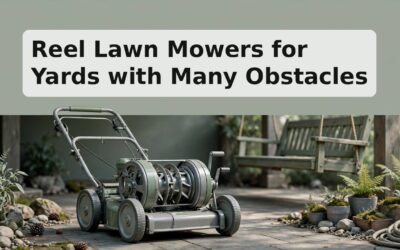
The seven models split into four gas and three battery machines. The gas models use a rechargeable starter battery and a button or a key, and most keep a recoil cord as a backup. The battery models start with a button and have no starter battery to maintain. No reel mower appears here, because reel mowers have no engine or motor to start.
Toro Super Recycler 21564
- 21 in aluminum deck; Briggs & Stratton EXi 190 cc engine, 8.75 ft-lb gross torque
- Electric start; push-button start confirmed on the Toro maker page
- Personal Pace Auto-Drive rear-wheel drive, up to 4.0 mph
- 4-point height adjustment from 1.0 to 4.0 inches
- Dual-blade with Accelerator; mulch and bag standard, side discharge capable
- 1.8 bushel bag; SmartStow vertical storage
- Weight 92 lb; FLEX handle suspension; high wheels, 8 in front and 10 in rear
- 5-year start coverage and 5-year limited warranty per the maker page
The Toro Super Recycler 21564 leads this group because its electric start is confirmed on the maker page and its deck is cast aluminum, which does not rust. A push of the button starts the 190 cc engine, and Personal Pace Auto-Drive matches the operator's walking speed without a lever to adjust. The dual-blade Accelerator system shreds clippings fine for mulching, and SmartStow lets the mower stand on end for storage, saving floor space. At 92 lb it is heavy, though the self-propel drive carries most of that weight. The starter battery charges with the included charger, and the maker page lists a five-year start coverage term alongside the five-year limited warranty.
Pros: Push-button start confirmed on the maker page; cast aluminum deck; SmartStow storage; Personal Pace drive.
Cons: 92 lb weight; starter battery needs charging between uses.
Toro Recycler 21464
- 22 in steel deck; Briggs & Stratton EXi 150 cc engine, 7.25 ft-lb gross torque
- Electric start; push-button start confirmed on a retailer page
- Personal Pace Auto-Drive rear-wheel drive
- Bag, mulch, and side discharge
- Weight 87 lb; Ready Start, no priming or choking
- No oil change for the life of the engine per the maker description; top off oil only
The Toro Recycler 21464 is the smaller gas electric-start pick in this group. Its 22 inch steel deck cuts a wide path, and the 150 cc engine with Ready Start needs no priming or choking — the button does the work. Personal Pace Auto-Drive adjusts to the operator's walking speed, and the Vortex cutting system shreds clippings fine for mulching. At 87 lb it is lighter than the 21564, which helps when turning at the end of a pass. The electric start was confirmed on a retailer page rather than the maker page, and the bag size was not stated on the page we opened, so buyers should check that figure on the product page.
Pros: Push-button start; 22 in steel deck; Ready Start, no priming or choking.
Cons: Start confirmed on a retailer page, not the maker page; bag size not stated.
Toro TimeMaster 21200
- 30 in steel deck with cast-aluminum frame; Briggs & Stratton 223 cc OHV engine, 10.00 ft-lb gross torque
- Electric start; push-button start confirmed on the Toro maker page
- Personal Pace rear-wheel drive with Traction Assist, up to 4.5 mph
- 2-point height adjustment from 1.25 to 4.25 inches
- Mulch, bag, and side discharge standard; 2.5 bushel bag
- Dual-Force cutting system with Atomic blades; Spin-Stop blade stop system
- Washout port for deck cleaning; Quick Stow storage handle
- Weight 145 lb; 3-year full warranty and 3-year start coverage per the maker page
The Toro TimeMaster 21200 is the wide-deck electric-start mower in this group, and it suits the largest lawns. A 30 inch deck cuts a third more grass per pass than a 21 inch deck, and the 223 cc engine has the power to drive two blades through thick grass. Traction Assist adds grip on uneven ground, and the Spin-Stop system stops the blade without stopping the engine, so the operator can pause to move an obstacle without restarting. A washout port makes deck cleaning easy after a wet cut. At 145 lb it is by far the heaviest model here, and the two-blade deck needs more care when sharpening. The electric start is confirmed on the maker page, and the box includes an electric start charger.
Pros: 30 in deck for large lawns; push-button start confirmed on the maker page; washout port; Spin-Stop.
Cons: 145 lb weight; two blades to sharpen; largest footprint in storage.
Honda HRX217HZA
- 21 in NeXite deck; Honda GCV200 engine
- Electric start; key start with a self-charging battery, confirmed on the Honda maker page
- Hydrostatic Cruise Control, variable speed from 0 to 4.0 mph
- 7 height positions from 0.75 to 4 inches
- 4-in-1 Versamow system with Clip Director: mulch, bag, leaf shred, and discharge
- Twin MicroCut blades; Roto-Stop blade stop system
- 2.5 bushel bag; dry weight 106 lb; 5-year residential warranty
- Auto choke; no manual choke required
The Honda HRX217HZA uses a key start instead of a button, and its starter battery recharges itself while the engine runs, so there is no separate charger to remember. Hydrostatic Cruise Control gives precise speed control from a standstill to four miles per hour, which is the smoothest drive in this group. The NeXite deck resists dents and rust, and the twin MicroCut blades shred clippings fine. Roto-Stop lets the operator stop the blades without stopping the engine. At 106 lb dry weight it is heavy, and the key start needs the key kept safe between uses. Two 2026 roundup pages claim Honda gas walk-behind mowers are discontinued, while the Honda maker page lists this model in stock, so we state that conflict plainly and treat the model as a supporting pick rather than the lead.
Pros: Key start with self-charging battery; hydrostatic drive; NeXite deck; Roto-Stop.
Cons: 106 lb dry weight; key must be kept safe; discontinuation claim conflicts with the maker page.
WORX 40V 17 in 2-in-1 Cordless Electric Intellicut
- 17 in deck; 40V system with two 20V 4.0Ah batteries
- Brushless motor 2.0; Intellicut auto-adjust
- Push-button start; push mower
- 7 heights from 1.5 to 4 inches
- 2-in-1 rear bag and mulch; dual-port charger
- Weight 35 lb per the listing; a July article gave 40 lb fully assembled — conflict stated plainly
- Up to a quarter acre of runtime; model number not stated on opened page
The WORX 40V 17 inch mower is the lightest electric-start model in this group, and its start could not be simpler: press the button and the motor runs. There is no starter battery to maintain, since the button powers the main motor directly. Intellicut adjusts power to the grass, so the motor works harder in thick patches and eases off on thin ones. At 35 lb it is easy to lift and turn, and the 17 inch deck suits a small lawn. The weight figures conflict — 35 lb in the listing against 40 lb fully assembled in a July article — and the model number was not stated on the page we opened, with the WG743 label unconfirmed. The 2-in-1 setup covers bag and mulch only, with no side discharge.
Pros: Lightest here at 35 lb; instant push-button start; Intellicut auto-adjust.
Cons: Weight figures conflict; model number unconfirmed; 2-in-1 only.
SKIL PWR CORE 40V 20 in Brushless Push Mower Kit PM4910-15
- 20 in deck; 40V 6.0Ah battery
- Brushless motor; push mower
- Push-button start
- 7 heights from 1.25 to 4 inches, single lever
- 3-in-1 bag, mulch, and rear discharge; 1.7 bushel bag
- Telescoping folding handle; vertical storage; load sensing
- Weight not stated on maker page
- Both variants shown sold out on the maker site at check
The SKIL PM4910-15 is the mid-size battery push mower in this group, and its push-button start is as simple as the WORX model, with a wider 20 inch deck. Load sensing adjusts power to the grass, and the telescoping folding handle fits different operator heights and folds away for vertical storage. Seven heights cover the full range from a low formal cut to a high rough cut. Two notes matter for buyers: the weight was not stated on the maker page, and both variants were shown sold out on the maker site at check, so this model should be treated as a supporting pick until stock returns.
Pros: Push-button start; 20 in deck; load sensing; folding handle with vertical storage.
Cons: Weight not stated; shown sold out on the maker site at check.
Snapper XD 82V MAX 21 in SXDWM82K (1687884)
- 21 in 14-gauge steel deck; 82V Max Briggs and Stratton system
- Brushless motor rated 1200W per a dealer listing; not stated on opened retailer pages
- Push mower; push-button start
- 7 heights from 1.4 to 3.75 inches, single lever
- 3-in-1 mulch, bag, and side discharge; 1.7 bushel bag
- Kit with two 2.0Ah batteries and a rapid charger; up to 45 minutes per battery, 90 minutes total
- Vertical storage; load sensing
- Weight 90 lb per the product listing; 76 lb also listed as item weight — conflict stated plainly
- 5-year product warranty; 2-year battery warranty
The Snapper XD 82V is the heavy-duty battery pick in this group, with a thick 14-gauge steel deck and a push-button start. Two batteries in the kit give up to ninety minutes of total runtime, which covers a large lawn without a mid-cut charge. Load sensing adjusts power to the grass, and vertical storage saves floor space. The steel deck resists dents, though at 90 lb per the product listing it is the heaviest battery mower here — a second figure of 76 lb also appears as item weight, so we state both. The 1200W motor rating comes from a dealer listing rather than the opened retailer pages, so we note that too.
Pros: Thick steel deck; two batteries in the kit; push-button start; load sensing.
Cons: Heavy for a battery mower; weight figures conflict; motor rating rests on a dealer listing.
Buying guide
Start by deciding between gas and battery, because the two kinds of electric start work differently. A gas mower with electric start uses a small starter battery that spins the engine, and that battery needs charging with its own charger. Most gas models keep a recoil cord as a backup, so a flat starter battery does not end the day. A battery mower starts with a button that powers the main motor directly, so there is no starter battery to maintain — but the main battery must be charged, and a dead main battery means no mowing at all.
Check what the start system includes before buying. Some gas models ship with the starter battery and charger in the box, while others sell them separately. A key start needs the key kept somewhere safe, and a lost key can ground the mower until a replacement arrives. A push-button start is simpler, though the button itself can wear over time. Ask the dealer what a replacement starter battery costs and how long it lasts, since that is the real running cost of a gas electric start system.
Deck size should match the lawn. A 30 inch deck suits a large open lawn and cuts mowing time, but it is heavy and hard to turn in tight spaces. A 21 inch deck suits most suburban yards, and a 17 inch deck suits a small lawn where a light mower matters more than speed. Self-propel helps on any slope, and a variable-speed drive lets the operator slow down for thick grass. Weight matters most when the mower must be lifted into a truck or carried up steps.
Storage changes with electric start too. A gas mower with a starter battery should be stored with the battery charged, since a flat battery can lose capacity over winter. A battery mower should be stored with its main battery indoors and partly charged, away from damp and frost. Both types benefit from a clean deck and sharp blades, and both should be stored dry. Check the start system at the start of each season, before the grass needs cutting, so a flat battery does not cost a mowing day.
Test the start system before the first cut of the season, not on the morning the grass needs mowing. Charge the starter battery the day before, press the button, and listen for a strong crank. A slow crank means the battery needs a full charge or a replacement. A quick check in spring saves a lost mowing day later.
FAQ
Do gas mowers with electric start still have a pull cord?
Most do. The pull cord serves as a backup when the starter battery runs flat, so a dead battery does not end the mowing day. Check the model before buying, since a few designs rely on the button alone.
How do I charge a gas mower starter battery?
Most gas electric-start mowers ship with a charger that plugs into a household outlet. Charge the starter battery before the first use of the season and top it up through the year. Some Honda models use a self-charging battery that recharges while the engine runs, so no separate charger is needed.
Is electric start worth it on a battery mower?
Battery mowers start with a button by design, so there is no extra cost for the feature. The button simply powers the main motor, which starts at once. The real question for a battery mower is runtime and charge time, not the start system.
What happens if the starter battery dies mid-season?
On most gas models, the recoil cord starts the engine as a backup. On a battery mower, a dead main battery means no mowing until it recharges, so a spare battery or a dual-port model helps on large lawns.
Are electric start mowers heavier than pull-start models?
Gas electric-start mowers are slightly heavier, since the starter battery and motor add weight. The difference is small next to the weight of the engine itself, and self-propel drive carries most of it. Battery mowers show no weight difference from starting, since the button is part of the motor control.
Can I add electric start to a pull-start mower?
In practice, no. Electric start needs a starter motor, a battery, and a charging system built into the mower, so it cannot be added to a pull-start model after purchase. Buyers who want the feature should choose a model that ships with it.
Conclusion
Electric start removes the hardest part of starting a mower, and the right model depends on the lawn. The Toro Super Recycler 21564 leads this group with a confirmed push-button start, a cast aluminum deck, and SmartStow storage, while the Toro 21464 and the wide TimeMaster 21200 cover smaller and larger yards with the same kind of start. The Honda HRX217HZA adds a self-charging key start with hydrostatic drive, and the battery models from WORX, SKIL, and Snapper start with a button and need no starter battery at all. Pick the deck size that fits the lawn, check what the start system includes in the box, and keep the battery charged before the season starts.
Related guides
More ways to save on your garden
Programs that pair well with the guide above. Offers and eligibility are set by Amazon and may change.
Fast, free shipping on eligible items, plus Prime Video and more. Eligible new members can start with a free trial.
Start a Prime free trialSet up recurring deliveries of everyday items on eligible products. Terms and savings are set by Amazon.
Explore Subscribe & SaveRead from a huge library of eBooks, including how-to guides and cookbooks. Eligible new members can start with a free trial.
Try Kindle UnlimitedAudiobooks and podcasts for the commute, the garage or the kitchen. Eligible new members can start with a free trial.
Try Audible freeAs an Amazon Associate we earn from qualifying purchases. Using these links costs you nothing extra.






Write Your Review
No reviews yet. Be the first to share your experience!